

Organic Spray Tans Near You — Safe, Sustainable, Skin‑Friendly
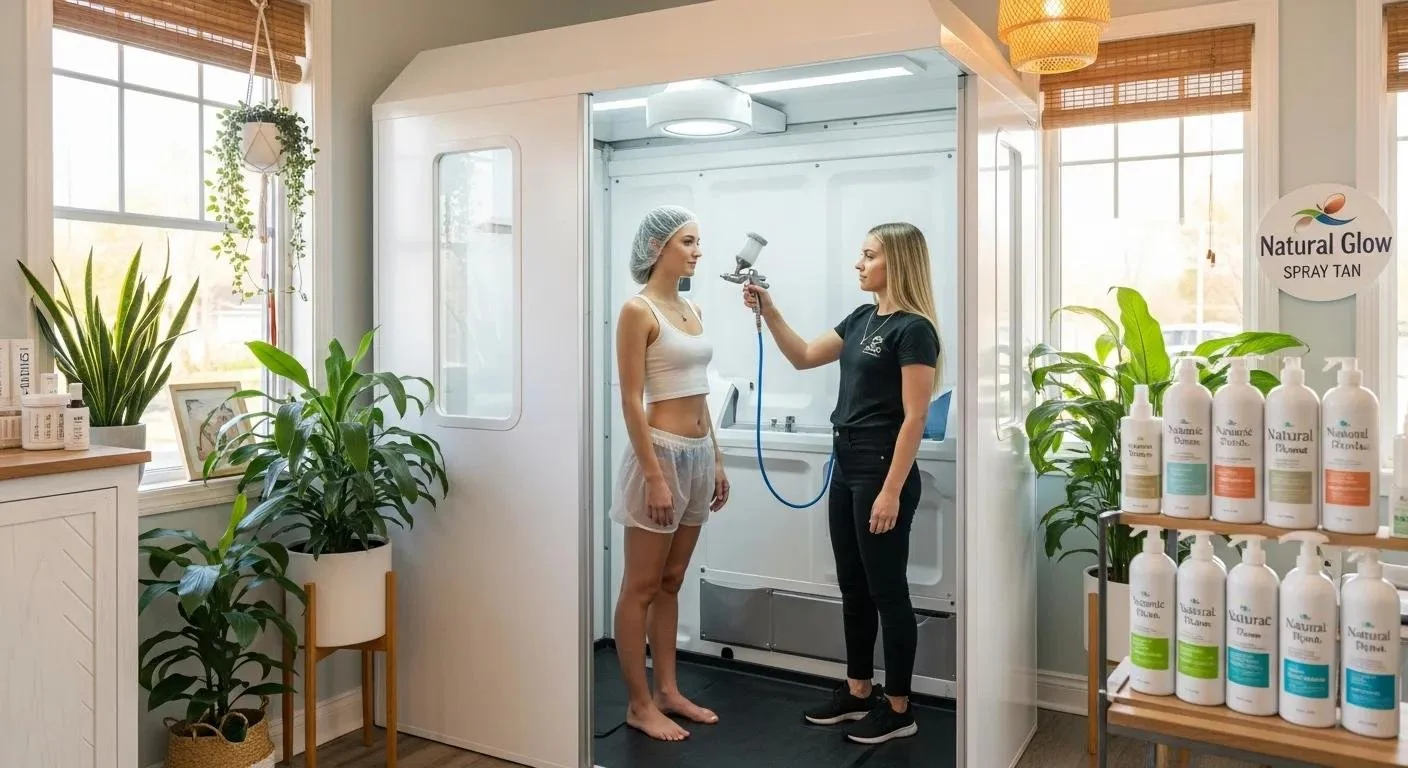
Want a healthy, sun‑kissed glow without risking your skin? Organic spray tanning is a great option for people with sensitive skin and for anyone who prefers cleaner, greener beauty choices. Below we cover what makes organic sprays different, how they work versus traditional tanning, how to find trusted local salons, and simple aftercare tips to keep your color looking fresh.
Why Choose an Organic Spray Tan?
Organic spray tans offer clear benefits over conventional tanning methods. They tend to be gentler on skin, better for the environment, and deliver natural-looking color. Choosing organic products helps you get a flattering tan without UV exposure or reliance on harsh synthetic ingredients.
How Does Organic Spray Tanning Protect Sensitive Skin?
Organic spray tans offer clear benefits over conventional tanning methods. They tend to be gentler on skin, better for the environment, and deliver natural-looking color. Choosing organic products helps you get a flattering tan without UV exposure or reliance on harsh synthetic ingredients.
Natural vs. Synthetic Cosmetics: Safety & Skin Benefits
This review notes that natural active ingredients are often favored for topical cosmetics because they can be gentler and offer anti‑ageing benefits. By contrast, certain synthetic actives have been linked—rarely but notably—to irritation or more serious reactions; the study discusses sources, mechanisms, and the role of natural actives in anti‑ageing formulations.
How Does Organic Spray Tanning Protect Sensitive Skin?
Organic formulations prioritize calming, nourishing botanicals—think aloe vera and plant extracts—so the application is less likely to irritate. These ingredients add hydration and support the skin barrier, lowering the chance of allergic reactions while still producing an even, healthy glow.
Many people prefer natural ingredients because they typically interact more gently with the skin than some synthetic alternatives.
How Do Organic Spray Tans Work Compared to Traditional Methods?
Organic spray tans create color by using DHA—a sugar‑derived ingredient—that reacts with amino acids in the top layer of skin to form a bronzed tone. Unlike sunbathing or tanning beds, this method avoids UV damage. When applied correctly, organic sprays give even, natural results with a lower risk of streaking or orange undertones.
DHA is the most widely accepted active in sunless tanning and has recognized efficacy and safety profiles.
DHA: FDA‑Recognized Sunless Tanning Agent
Dihydroxyacetone (DHA) is the primary active ingredient in many self‑tanners. It is the only ingredient currently recognized by the U.S. Food and Drug Administration as a sunless tanning agent, and DHA‑based formulations remain the standard in sunless tanning products. Sunless tanning products, 2015
How Long Does an Organic Spray Tan Typically Last?
How long your tan lasts depends on skin type, the formula, and how you care for it. Expect roughly 5–7 days on average. To stretch your color, follow recommended aftercare: moisturize regularly and avoid aggressive exfoliation.
Finding the Best Organic Spray Tan Salons Near You
Look for salons that clearly state they use quality organic products and employ trained technicians. Ask about brands and ingredients, and read client reviews to get a sense of consistency and customer care. A good salon will be transparent and happy to answer your questions before booking.
How Do Customer Reviews Affect Your Choice?
Reviews are a quick way to gauge consistency and real client experience. Look for recent, detailed feedback that mentions longevity, shade accuracy, and how comfortable clients felt during the session. Consistently strong ratings usually point to a reliable salon.
Essential Aftercare Tips for Organic Spray Tans
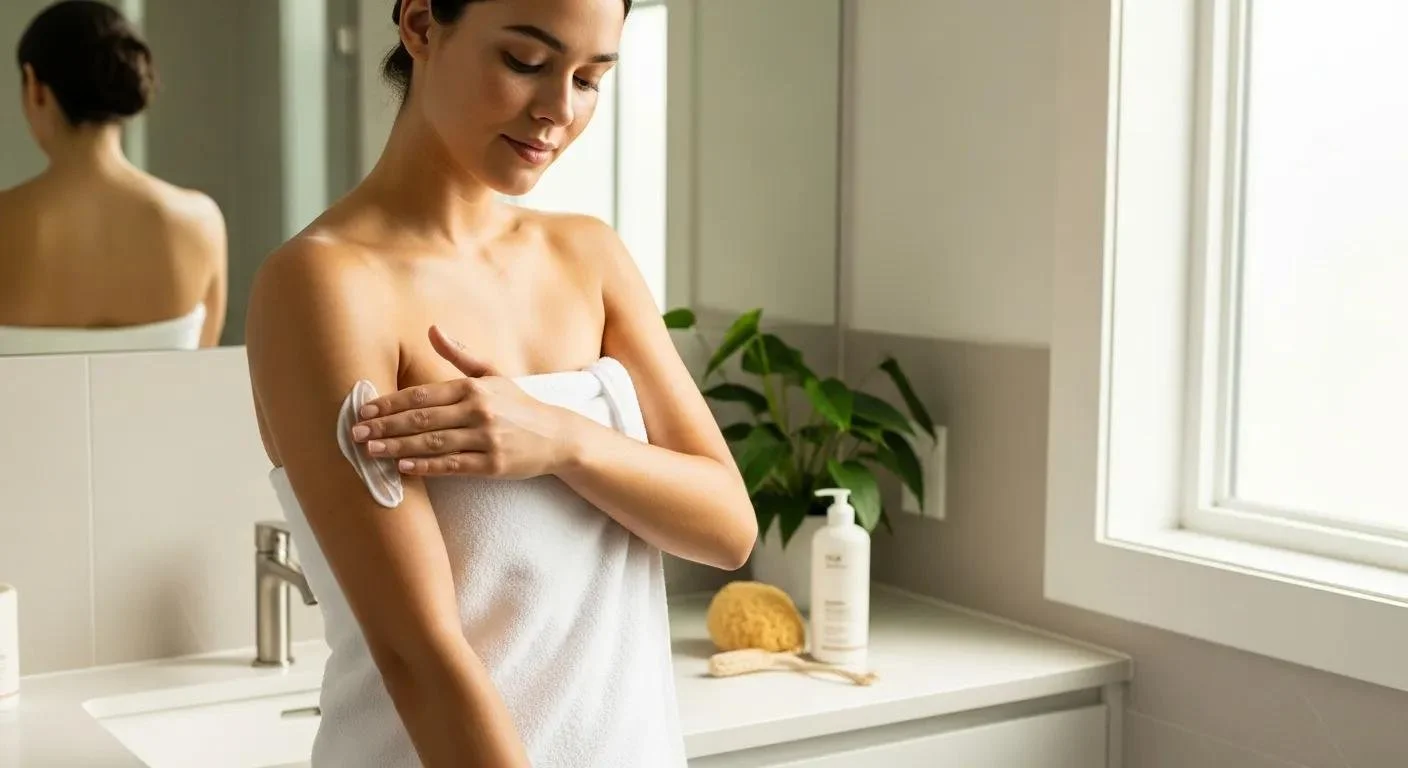
Good aftercare makes all the difference. Follow a few simple habits to keep your tan even and long‑lasting while keeping your skin healthy.
How to Maintain Your Organic Spray Tan for Longer‑Lasting Results?
Try these straightforward tips:
Hydrate: Apply a gentle, fragrance‑free moisturizer daily to keep skin supple and reduce flaking.
Avoid Exfoliation: Skip scrubs and abrasive brushes while your tan is developing and for a few days after.
Limit Water Exposure: Long hot showers, pools, and saunas can fade color faster—shorter, cooler showers help preserve it.
Are There Specific Products Recommended for Aftercare?
Choose products that support color retention and skin health:
Moisturizers: Lightweight, hydrating lotions without sulfates or parabens work best.
Tan Extenders: Formulated to refresh and extend color between sessions.
Gentle Cleansers: Mild, sulfate‑free washes that clean without stripping the tan.
Vegan & Cruelty‑Free Organic Spray Tan Options
Many brands now offer vegan, cruelty‑free spray solutions that skip animal testing and animal‑derived ingredients. These lines are a good fit if ethical sourcing and plant‑first formulas matter to you.
Interest in ethical, sustainable beauty has grown significantly, pushing more brands to offer plant‑based and cruelty‑free options.
Vegan Cosmetics: Ethical Sourcing & Plant‑Based Safety
Consumers increasingly seek vegan cosmetics for ethical and environmental reasons. Plant‑based formulations can reduce reliance on animal testing and often use ingredients with favorable safety profiles. This review explores effectiveness, environmental benefits, and challenges such as cost, transparency, and the risk of greenwashing.
Vegan and Cruelty Free Products, 2025
Why Choose These Options if You’re Health‑Conscious?
Vegan, cruelty‑free organic sprays often avoid certain synthetic additives and prioritize milder, plant‑based ingredients that are less likely to irritate sensitive skin. They give you a more mindful tanning option that aligns with both health and ethical priorities.
Frequently Asked Questions
-
Yes. Most salons offer shade customization—technicians can adjust solution strength or blend tones to match your skin and desired look, so you get a natural, flattering result.
-
Generally, topical DHA is considered safe, but many practitioners recommend consulting your healthcare provider before treatment. If you’re pregnant, discuss any concerns with both your provider and the salon so you can make an informed choice.
-
Prepare by gently exfoliating about 24 hours before your session, and avoid lotions, deodorant, or perfume on the day of your appointment. Wear loose, dark clothing to the salon to prevent rubbing off fresh color.
-
If you have a reaction, rinse the area with cool water to remove product and apply a soothing, fragrance‑free lotion or aloe vera. If symptoms continue or worsen, seek medical attention. Always tell your technician about known allergies before treatment.
-
Many salons set a minimum age—commonly 16—but policies vary. Minors may need parental consent, so check with the specific salon before booking.
-
Pick gentle, hydrating products that won’t strip color. Avoid sulfates and parabens, and consider a tan extender to refresh your shade between appointments. Mild, non‑foaming cleansers are a good choice for daily use.
-
Yes—wait at least 24 hours for the tan to fully develop. Use non‑comedogenic makeup and avoid heavy, oil‑based products on freshly tanned skin. A setting spray can help keep your look in place.
Conclusion
Organic spray tans offer a practical, planet‑friendly way to get a beautiful, natural glow. They’re kinder to sensitive skin, better for the environment, and available in vegan, cruelty‑free formulas if you prefer ethical options. To try one, pick a reputable local salon that uses high‑quality organic products and asks the right questions—then enjoy a healthier approach to tanning.